How to plan a fishing trip: A Complete Guide to a Successful Adventure
Planning the Fishing Trip
How to plan a fishing trip – When it comes to planning a fishing trip, proper preparation is key to ensuring a successful and enjoyable experience. Planning ahead allows you to choose the right location, pack the necessary gear, and anticipate any challenges that may arise along the way.
Step-by-Step Guide
- Research the location: Start by researching different fishing spots based on the type of fish you want to catch. Consider factors such as accessibility, the presence of facilities like boat ramps or fishing piers, and the best time of year to visit.
- Check the weather forecast: Keep an eye on the weather forecast for the days leading up to your trip. Unfavorable weather conditions can impact your fishing experience, so it’s important to be prepared.
- Pack the right gear: Make a list of the essential fishing gear you’ll need for your trip, including rods, reels, bait, tackle, and appropriate clothing. Don’t forget to also pack sunscreen, snacks, and plenty of water.
- Plan your itinerary: Create a rough itinerary for your fishing trip, including details such as travel time, fishing hours, meal breaks, and any other activities you may want to incorporate.
- Secure necessary permits: If required, make sure to obtain any necessary fishing permits or licenses ahead of time. This will prevent any last-minute hassles or delays on the day of your trip.
Choosing the Right Location
- Consider the type of fish: Different fish species prefer different habitats, so choose a location that is known for the type of fish you want to catch. Research the best fishing spots for specific species to increase your chances of success.
- Accessibility: Choose a location that is easily accessible and suits your preferred fishing style. Whether you prefer shore fishing, boat fishing, or kayak fishing, make sure the location can accommodate your needs.
- Local knowledge: Seek advice from local anglers or fishing guides to get insider tips on the best fishing locations in the area. Local knowledge can be invaluable in helping you find the perfect spot for your fishing trip.
Packing Essentials
When going on a fishing trip, it is crucial to pack the right essentials to ensure a successful and enjoyable experience. Carrying proper gear, equipment, and clothing can make a significant difference in your overall comfort and safety during the trip.
Essential Items to Pack
- Fishing rods and reels
- Tackle box with hooks, sinkers, and lures
- Fishing line and leader material
- Sunscreen and insect repellent
- Sun protection hat and sunglasses
- First aid kit
- Personal identification and fishing license
- Snacks and plenty of water
Significance of Proper Gear and Equipment
Carrying the right gear and equipment can enhance your fishing experience by increasing your chances of catching fish and ensuring your safety while out on the water.
Clothing Choices
- Wear moisture-wicking clothing for hot weather to stay cool and dry
- Layer clothing for cooler temperatures to easily adjust to changing weather conditions
- Choose waterproof and windproof outerwear to protect yourself from the elements
- Wear comfortable and supportive footwear that is suitable for walking on different terrains
Researching Fishing Spots
When planning a fishing trip, one of the key elements to consider is researching the best fishing spots for a successful adventure. Here are some tips on how to find the perfect fishing spot for your trip.
Factors to Consider
- Season: Different fish species are more active during certain seasons, so research the best time to target your desired catch.
- Weather: Pay attention to weather conditions as they can affect fish behavior and your overall fishing experience.
- Local Regulations: Make sure to check local fishing regulations and obtain any necessary permits or licenses before heading out.
Utilizing Online Resources and Local Knowledge
Online resources such as fishing forums, websites, and social media platforms can provide valuable insights into popular fishing spots, techniques, and recent catches.
- Look for online fishing reports to get up-to-date information on fish activity and hot spots in the area you plan to visit.
- Reach out to local anglers, bait shops, or fishing guides for insider tips on the best fishing locations and tactics in the area.
Safety Precautions
Ensuring safety during a fishing trip is crucial to avoid accidents and enjoy a successful outing. Here are some essential safety precautions to keep in mind:
Checking Weather Conditions, How to plan a fishing trip
Before heading out, always check the weather forecast for the day. Sudden changes in weather can pose risks, especially if you are out on the water. Strong winds, thunderstorms, or extreme temperatures can impact your safety and fishing experience.
Emergency Preparedness and First Aid Essentials
It is important to be prepared for any emergencies that may arise during your fishing trip. Here are some key items to include in your emergency kit:
- A fully stocked first aid kit with bandages, antiseptic wipes, pain relievers, and any necessary medication.
- Emergency contact information, including local authorities, emergency services, and the nearest medical facility.
- Personal flotation devices (PFDs) for everyone on board, especially if you are fishing from a boat.
- Signaling devices such as whistles, flares, or mirrors to attract attention in case of emergencies.
- Extra clothing, blankets, and waterproof gear to protect against changing weather conditions.
- Food, water, and any necessary medications to sustain yourself in case of unexpected delays.
Fishing Techniques and Strategies: How To Plan A Fishing Trip
Fishing techniques and strategies play a crucial role in the success of your fishing trip. By understanding different techniques and strategies, you can increase your chances of catching the desired fish and making the most out of your time on the water.
Different Fishing Techniques
- Trolling: This technique involves dragging baited lines behind a moving boat. It is effective for catching fish that swim closer to the surface.
- Bottom Fishing: This technique is suitable for fish that dwell at the bottom of the water. It involves lowering baited hooks to the seabed using weights.
- Casting: Casting involves throwing a baited hook or lure into the water and reeling it back in to attract fish. It is a versatile technique that can be used in various fishing environments.
Understanding Fish Behavior
- It is essential to understand the behavior of the fish you are targeting. Different fish species have unique habits and preferences when it comes to feeding and movement.
- By observing fish behavior, such as feeding patterns and preferred habitats, you can adapt your fishing strategies to increase your chances of a successful catch.
Setting Up Rigs and Baiting Hooks
- Choose the right rig and bait based on the type of fish you are targeting. Different fish species respond to different types of bait, so it is important to do your research beforehand.
- Ensure your rig is properly set up to maximize your chances of hooking a fish. Pay attention to details such as hook size, leader length, and weight placement.
Handling Fish Once Caught
- When you have successfully caught a fish, handle it with care to ensure its well-being. Use a landing net to bring the fish on board without causing harm.
- Remove the hook gently and release the fish back into the water if it is not a species you intend to keep. If you plan to keep the fish, ensure proper storage and handling to maintain its freshness.
Holidays and Vacations Outdoor Activities
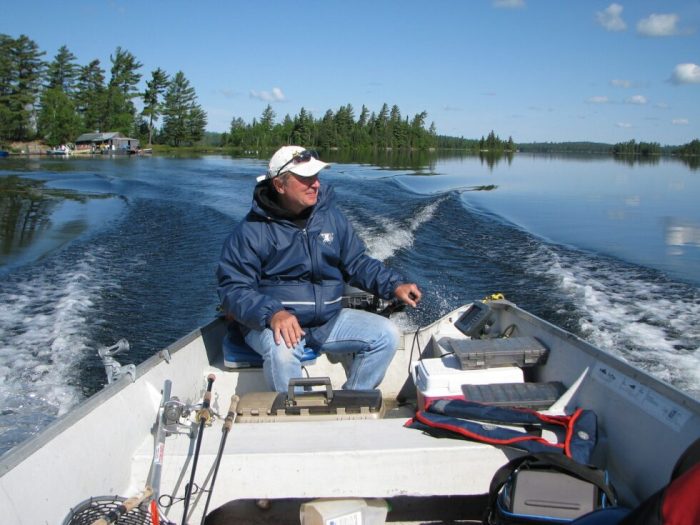
Planning outdoor activities during holidays and vacations can offer numerous benefits for individuals and families alike. It provides an opportunity to unwind, de-stress, and rejuvenate in nature, away from the hustle and bustle of daily life. Engaging in outdoor activities can also foster a sense of adventure, promote physical health, and create lasting memories.
Connecting with Nature and Unplugging
Connecting with nature during holidays and vacations is essential for mental and emotional well-being. It allows individuals to disconnect from technology, social media, and work-related stressors, and instead, focus on the beauty and tranquility of the natural world. Unplugging from daily routines helps in reducing anxiety, improving mood, and enhancing overall mental clarity.
Outdoor Activities to Enjoy
- Fishing:A relaxing and rewarding activity that can be enjoyed solo or with friends and family. It allows individuals to spend time by the water, appreciate the serenity of nature, and possibly catch their dinner.
- Hiking:Ideal for those who enjoy exploring scenic trails, hiking offers a great way to stay active, appreciate the beauty of the outdoors, and challenge oneself physically. It can be tailored to different skill levels and preferences.
- Camping:Immersing oneself in the great outdoors through camping provides a unique opportunity to unplug, bond with loved ones, and experience the simplicity of living in nature. It can be a fun and memorable way to spend a vacation.
Quick FAQs
What should I do if I’ve never been fishing before?
Consider hiring a guide for your first trip to learn the basics and get hands-on experience.
Is it necessary to check local regulations before fishing in a new area?
Absolutely, as violating fishing regulations can lead to fines or other penalties. Always research beforehand.
What if I don’t have my own fishing gear?
You can often rent gear from local shops or outfitters to ensure you have the right equipment for your trip.